Tree Services for a Vibrant and Healthy Landscape Throughout the Year
Maintaining a healthy landscape needs consistent care. Expert tree service plays an crucial role in ensuring trees grow well throughout the year. Professional arborists provide essential care, from seasonal pruning to view resource pest inspections. This consistent approach not only improves the beauty of properties but also protects local ecosystems. As property owners consider their landscape's health, grasping the intricacies of tree care becomes vital. Which services ensure a thriving landscape?
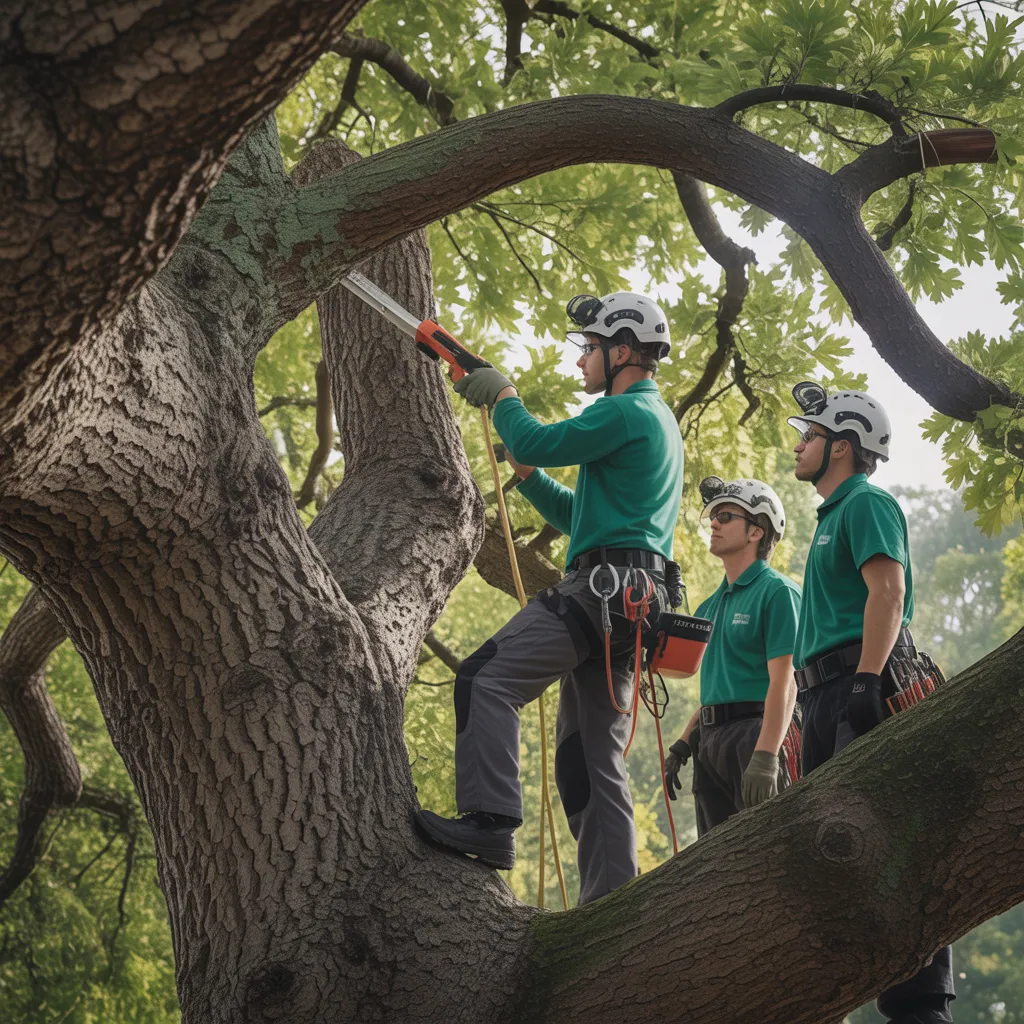
The Importance of Year-Round Tree Care
While many homeowners may underestimate the need for consistent tree care, it is important for maintaining the well-being and appearance of any landscape. Trees, as living organisms, require regular attention to flourish. Neglecting their needs can lead to a myriad of issues, including disease, pest infestations, and damaged branches.
Year-round tree care requires monitoring growth patterns, evaluating soil health, and ensuring proper watering and fertilization. Seasonal changes also impact care; for instance, pruning during dormancy encourages robust growth in spring. Additionally, timely inspections can detect potential hazards, such as dead branches that may threaten safety during storms.
Investing in year-round tree care not only improves the beauty of the property but also supports the longevity of the trees themselves. Homeowners who focus on this ongoing maintenance are likely to enjoy a vibrant landscape for years to come.
Essential Seasonal Tree Services
Maintaining the health of trees throughout the year depends on specific services tailored to the requirements of each season. In spring, tree pruning becomes crucial to promote healthy growth and remove any dead or diseased branches. Summer calls for adequate hydration and mulching to combat heat stress. As autumn arrives, tree health checks and preparation for winter, such as removing fallen leaves and inspecting for pests, are essential. Winter services often include tree trimming to prevent breakage from heavy snow and ice. Additionally, this season is optimal for planting new trees, as the dormant period allows for stronger roots. Each season presents distinct challenges, and engaging in these must-have tree services guarantees a healthy and resilient landscape throughout the year. Regular seasonal maintenance ensures the long-term health and beauty of trees within any landscape.
Tips for Choosing a Professional Arborist
Selecting a tree service provider requires careful consideration of several key factors. Professional qualifications are essential indicators of a company’s competence, while experience and expertise guarantee that the job is performed safely and effectively. Evaluating these elements can greatly influence the quality of service received.
Credentials and Certifications
When choosing a tree service provider, credentials and certifications serve as essential indicators of professionalism and expertise. These qualifications demonstrate that the company adheres to industry standards and best practices. For instance, certification from organizations like the International Society of Arboriculture (ISA) signifies that the provider has undergone rigorous training and testing in arboriculture. Additionally, local licensing and insurance protect clients from potential liabilities and guarantee that the service complies with regional regulations. Reputable tree service providers often showcase these credentials prominently, allowing customers to verify their qualifications easily. By selecting companies with the appropriate certifications, clients can have better trust in receiving safe, effective, and reliable tree care services.
Experience and Expertise
Credentials and certifications provide a solid foundation for evaluating a tree service provider, yet experience and expertise play a critical role in the selection process. An experienced tree service provider brings expert understanding gained through years of hands-on work in diverse environments. This expertise helps them to spot potential issues, recommend appropriate solutions, and use best practices for tree care and maintenance. Knowledge of local tree species and regional climate conditions additionally enhances their ability to deliver tailored services. Moreover, seasoned professionals are adept at using specialized equipment safely and effectively, minimizing risks during complex procedures. Ultimately, choosing a provider with solid experience and expertise guarantees that trees are cared for properly, promoting long-term growth and vigor in any landscape.
Maintaining Trees Throughout the Year
Seasonal tree maintenance is key in promoting the vitality and longevity of trees. Each season presents unique challenges and opportunities for tree care. In spring, trees benefit from pruning to support healthy growth and the removal of dead branches. This is also the perfect time for fertilization, providing essential nutrients for robust development.
During the summer, monitoring for signs of strain, such as wilting leaves or insect activity, is essential. Proper watering practices can help reduce heat stress. As autumn approaches, leaves should be cleared from the base of trees to prevent fungal diseases, while additional pruning can prepare trees for winter.
Finally, winter maintenance involves protecting trees from harsh weather conditions. Applying mulch helps retain moisture and insulate roots. Understanding these seasonal needs supports trees remain strong, thriving throughout the year, and boosts the overall landscape aesthetic.
Tree Pest Identification
How can one effectively identify common tree pests? Detection begins with careful observation of trees for abnormal symptoms. Yellowing leaves, wilting, or premature leaf drop may signal pest infestations. Additionally, the presence of holes in leaves or bark can suggest feeding activity by insects such as caterpillars or beetles.
Examine the trunk and branches for sticky residue, which often signals aphids or scale insects. Webbing or silk-like structures may indicate spider mites or caterpillars. Moreover, look for frass—small droppings that indicate wood-boring pests like borers.
Regular inspections during the growing season are critical for early detection, as many pests multiply in warm weather. Keeping a journal of observations can assist in recognizing patterns and potential infestations. By being observant and informed, one can maintain a healthier landscape and address issues early.
Advantages of Tree Services and Proper Fertilization
Enhancing the health and appearance of trees relies on professional tree services and fertilization. Skilled arborists possess the skills and experience to assess tree health, identify specific needs, and implement appropriate care strategies. This expertise guarantees that trees receive the right treatments customized to their unique conditions, promoting robust growth and well-being.
Fertilization plays an essential role in providing needed nutrients that soil may lack, promoting stronger root systems and enhancing foliage. Professional services implement balanced fertilization programs, reducing the risk of over-application, which can harm trees and the surrounding ecosystem.
Additionally, professional tree services help prevent diseases and infestations by offering preventive treatments and regular maintenance. This planned approach minimizes the likelihood of costly and damaging issues in the future. Overall, employing professional tree services not only helps maintain a vibrant landscape but also supports the long-term health and resilience of trees.
Enhancing Landscape Health Through Tree Care
Professional tree services not only maintain the health of individual trees but also play a key role in enhancing the overall landscape. By employing expert arborists, homeowners can guarantee that their trees are pruned and maintained properly, which boosts aesthetics and promotes healthier growth. Proper trimming and shaping can create a harmonious environment, allowing sunlight to filter through and encouraging the growth of surrounding plants.
Additionally, tree services can identify and remove dead or diseased trees, preventing potential hazards and boosting safety. This proactive approach helps maintain an inviting outdoor space. Furthermore, professional services often provide advice on tree selection and placement, optimizing the landscape's design and functionality. By utilizing tree care, property owners not only maintain their investment but also create a thriving ecosystem that adds value and beauty to their property year-round.
Frequently Asked Questions
How Often Should I Water My Trees Throughout the Year?
Trees typically require deep watering every two to four weeks during the growing season, depending on environmental conditions and soil conditions. In winter, watering should be reduced, focusing on dry spells to ensure proper hydration.
What Signs Indicate My Tree Needs Immediate Attention?
Signs indicating a tree needs immediate attention include drooping foliage, significant leaf drop, abnormalities, visible decay, cracks in the bark, and discolored foliage. Prompt assessment by a professional can avoid decline.
When to Prune Your Trees
Trees can generally be pruned at any time, but ideal periods vary by species. Late winter or early spring is often recommended for most trees, ensuring recovery and supporting healthy growth and recovery afterward.
Impact of Weather on Trees
Weather conditions strongly affect tree health. Extreme temperatures, prolonged droughts, and heavy rainfall can weaken trees, making them more susceptible to pests and diseases. Seasonal changes also alter their growth patterns and nutrient uptake.
Trees Needing Extra Attention
Certain trees, such as ornamental species and those sensitive to climatic fluctuations, require more care. Factors like pruning, watering, and pest control become essential for their health and longevity in changing conditions.